
When Massage Alone Isn't Enough: Why Add Hydrotherapy
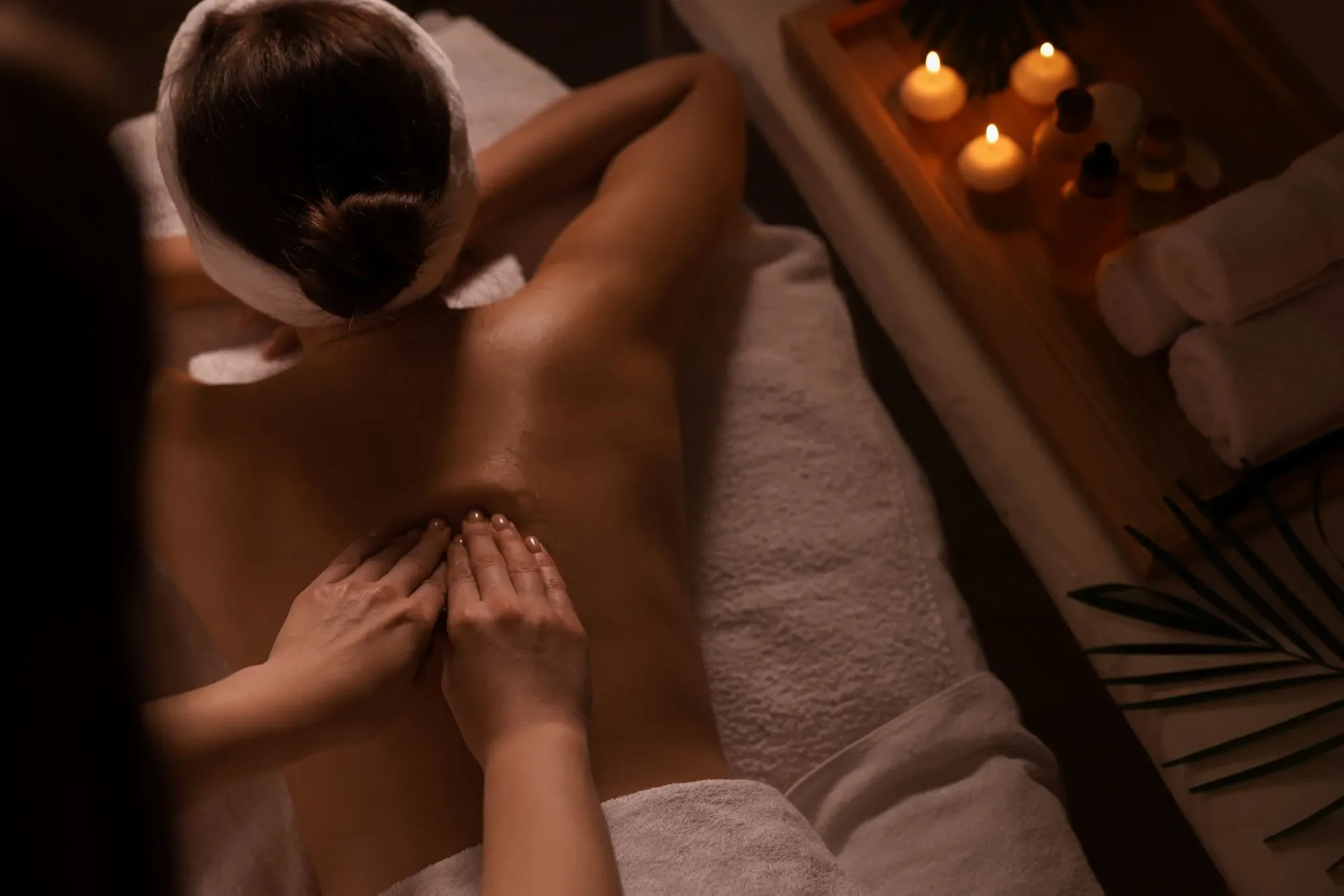
Many people who book regular massages reach a point where the results feel temporary or incomplete. Tension returns faster than expected. Relaxation fades within a day or two. Recovery plateaus. The issue is rarely the massage itself. It is that massage addresses soft tissue directly but does not reset the broader physiological systems that determine how well that tissue responds and recovers. Hydrotherapy, specifically the thermal contrast sequence in a Nordic circuit, addresses those systems in ways massage cannot. Søle Nordic Wellness Spa in Leduc offers both, making it possible to combine them in a single visit.
What Massage Can and Cannot Do on Its Own
Massage works on soft tissue. It increases local circulation, reduces muscle tension, breaks up adhesions, and activates the parasympathetic nervous system. For isolated tension, post-exercise recovery, or stress relief with a clear muscular source, massage delivers reliable results.
The limitation is scope. Massage is a localized treatment applied to specific areas. It does not reset systemic circulation, regulate core body temperature, reduce full-body inflammation broadly, or shift the nervous system into the deep recovery state that sustained thermal contrast produces. A massage can relieve a tight shoulder. It is less effective at addressing the chronic baseline tension that keeps that shoulder returning to the same state within days.
When results from regular massage feel short-lived, the pattern usually points to a systemic issue that localized soft tissue work cannot fully resolve on its own.
Where Hydrotherapy Fills the Gaps
Hydrotherapy through thermal contrast works at a systemic level. The body responds to alternating heat and cold as a full-system event, not a localized one.
Circulation and Temperature Contrast Effects
Heat exposure dilates blood vessels throughout the body, driving circulation to the skin surface and flushing muscle tissue with oxygenated blood. Cold immersion causes vasoconstriction, pushing that blood back toward the core. Alternating between the two creates a pumping effect on the circulatory system that passive massage cannot replicate. This cycle clears metabolic waste from muscle tissue more thoroughly than massage alone and reduces the systemic inflammation that contributes to chronic tension.
For guests whose tension returns quickly after massage, poor systemic circulation is often a contributing factor. Hydrotherapy addresses that directly.
Nervous System Regulation Beyond Muscle Work
Massage activates the parasympathetic nervous system, but the effect is gradual and varies significantly with the guest's baseline stress state. A guest who arrives in a high-arousal state may spend the first half of a massage simply decompressing before the therapeutic work begins.
Thermal contrast shifts the nervous system more abruptly. Cold exposure triggers a brief sympathetic response followed by a pronounced parasympathetic rebound as the body stabilises. This rebound produces a deeper and more consistent nervous system reset than the progressive relaxation massage achieves alone. Entering a massage after the Nordic circuit means starting from a lower arousal baseline, which changes what the massage can accomplish in the same amount of time.
Full-Body Versus Localized Treatment Impact
Massage covers the areas the therapist can reach during the session. Hydrotherapy affects the entire body simultaneously. Guests carrying tension across multiple areas, or experiencing full-body fatigue rather than isolated muscular soreness, get broader coverage from thermal contrast than from a massage that must divide its time across problem areas.
The combination of full-body hydrotherapy followed by targeted massage produces a different result than either alone. The circuit addresses systemic conditions. The massage addresses specific tissue.
Signs You Need More Than Massage
These patterns suggest that massage alone is not resolving the underlying condition:
Tension returns to the same areas within a few days of each massage
Relaxation after massage fades within 24 hours consistently
You carry full-body fatigue or heaviness that persists between sessions
Massage pressure that was once effective now feels insufficient to reach the tension
You experience stress-driven tension that rebuilds faster than massage can clear it
Recovery from exercise or physical work is slower than expected despite regular massage
Any one of these on its own may reflect a single session variable. A consistent pattern across multiple visits indicates that the treatment approach needs a broader scope.
How Hydrotherapy Enhances Massage Outcomes
The benefit of combining hydrotherapy with massage depends on sequencing. The same two treatments produce different outcomes depending on which comes first.
Before Massage: Preparing Tissue and Circulation
The Nordic circuit before a massage reduces the work the therapist needs to do to reach deeper tissue. Heat loosens the superficial layers, increases tissue pliability, and drives circulation to the muscles. A therapist working on tissue that has already been through twenty to thirty minutes of heat immersion encounters less resistance than one working on tissue that arrived cold and tight.
This sequencing suits guests focused on recovery or deep tissue work. The therapeutic massage delivers more targeted results when the body arrives at the table already warm and primed.
After Massage: Locking in Relaxation and Recovery
Hydrotherapy after massage extends the parasympathetic state the massage creates. Cold immersion after a massage reduces post-treatment inflammation and supports the circulatory clearance of metabolic waste released during soft tissue work. The rest phase of the circuit allows the nervous system to consolidate the reset rather than returning immediately to the demands of the day.
Guests focused on relaxation and nervous system recovery often find this sequence more effective than circuit-first. The massage creates the state. The circuit preserves it.
Situations Where Massage Alone May Still Be Enough
Hydrotherapy adds value in specific conditions. It is not universally necessary.
A Swedish massage for straightforward stress relief or a single area of tension delivers sufficient results on its own for many guests. If the tension is clearly localized, the session produces a consistent and satisfying outcome, and results hold for a reasonable period, adding hydrotherapy is an enhancement rather than a correction.
Pregnancy massage follows its own protocols and thermal contrast is not appropriate during pregnancy. The massage alone addresses the specific needs of that stage.
Guests with limited time who must choose between a full circuit and a massage get more targeted therapeutic value from the massage alone than from a shortened circuit that does not allow adequate time in each phase. A partial circuit experience is less effective than a complete one.
First-time massage guests who have never experienced bodywork may also benefit from establishing a baseline with massage alone before adding the complexity of a combined visit.
Integrating Massage and Nordic Spa at Søle Nordic Wellness Spa
For guests whose massage results have plateaued or who carry tension that rebuilds faster than regular sessions can manage, the combination of the Nordic circuit and massage addresses both the systemic and localised dimensions of that pattern. Guests interested in skin and body outcomes can pair the circuit with face and body treatments instead, or in addition.
Søle Nordic Wellness Spa in Leduc builds combined visits around specific guest outcomes. If you are unsure whether your current approach is giving you the results it should, the team can help identify whether adding hydrotherapy changes what is possible.
