
How Heat Therapy Supports Stress Hormone Regulation
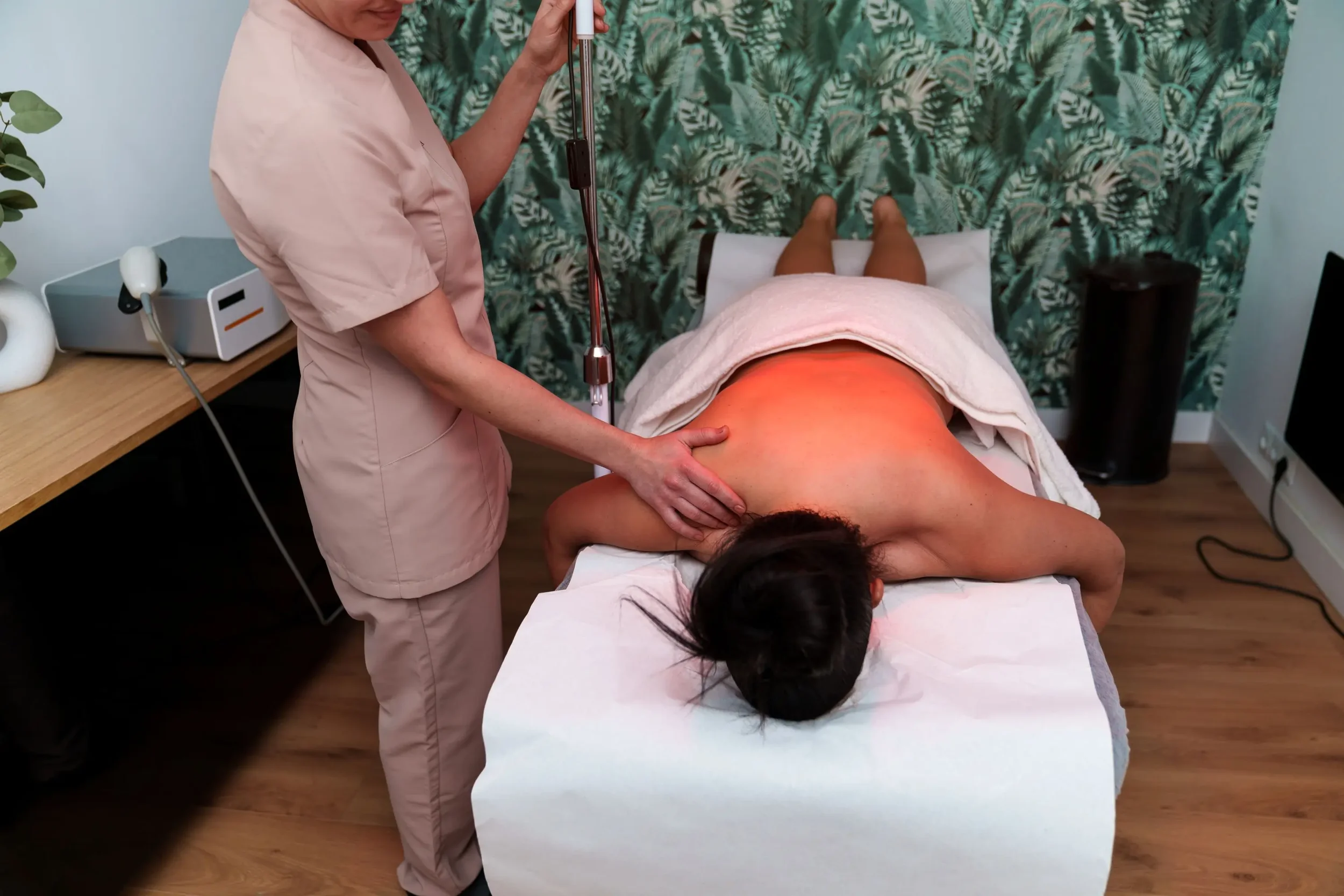
Modern stress affects the body as much as the mind, often showing up as muscle tension, poor sleep, and constant fatigue. Sole Wellness provides structured heat based experiences that help guests unwind and reset by supporting the body’s natural relaxation responses. Heat therapy has long been used to promote calm, improve circulation, and create space for recovery without relying on stimulation or intensity.
When used intentionally, heat exposure encourages the body to slow down. Rather than forcing relaxation, it creates conditions that allow stress responses to settle naturally.
How Heat Exposure Affects the Body
During heat therapy, the body responds by increasing circulation and relaxing soft tissue. Blood vessels widen, allowing blood to flow more freely through muscles and joints. This increased circulation helps reduce physical tension and creates a sense of ease throughout the body.
As body temperature rises, breathing often becomes deeper and slower. This physical shift signals the nervous system to move away from high alert states and toward rest and recovery.
Heat Therapy and Stress Hormone Response
Stress hormones such as cortisol play an important role in daily function, but chronically elevated levels are commonly associated with ongoing stress. Heat therapy does not aim to eliminate stress hormones, but it supports balance by encouraging relaxation and recovery.
Short term stress is a normal and necessary response, but challenges arise when stress hormones remain elevated for long periods without adequate recovery. Heat therapy supports relaxation by encouraging the body to exit prolonged stress states rather than suppressing natural stress responses. This distinction helps explain why consistency matters more than intensity.
Many guests report feeling calmer and mentally clearer after heat exposure. This is often linked to:
A reduction in perceived stress
Increased endorphin release
A sense of physical lightness and mental ease
These effects contribute to a more regulated stress response over time when heat therapy is used consistently.
Parasympathetic Activation and Relaxation
The nervous system operates in different modes. High stress keeps the body in a constant state of readiness, while relaxation activates the parasympathetic system, which supports rest, digestion, and recovery.
Heat therapy helps shift the body into this calmer state by:
Reducing muscle guarding
Slowing breathing patterns
Encouraging stillness and presence
This parasympathetic activation is one reason heat feels grounding and restorative rather than stimulating.
Heat Therapy and Sleep Quality
Heat exposure earlier in the day or as part of an evening routine often supports deeper relaxation before rest. As the body cools naturally after heat exposure, many people experience a sense of calm that aligns with sleep readiness.
For guests who struggle to fully unwind at night, heat therapy is often used as part of a wind down routine that signals the body to transition out of a high alert state.
Why Heat Therapy Feels Calming
Heat creates a sense of containment and comfort that many people find immediately soothing. Muscles soften, joints feel less restricted, and mental chatter often quiets as attention turns inward.
Guests commonly describe sensations such as:
A gradual release of tension
A feeling of heaviness or groundedness
Calm alertness after sessions rather than fatigue
Structured Heat Experiences and Consistency
Using heat intentionally within a wellness focused environment helps guests stay consistent and mindful with their sessions. Guided approaches, such as guided heat experiences, remove guesswork around timing and progression, making it easier to enjoy the benefits safely and comfortably.
Consistency matters more than intensity. Short, regular sessions often feel more sustainable than occasional long exposures.
How Often Guests Can Use Heat Therapy
Heat therapy can be used regularly when sessions are kept within comfortable limits.
Session length plays an important role in how the body responds to heat. Moderate exposure allows the nervous system to relax without triggering fatigue or overstimulation. Longer sessions are not inherently more effective and may reduce the calming benefits if pushed beyond comfort.
Many guests incorporate heat exposure several times per week as part of a broader recovery or relaxation routine.
Frequency depends on factors such as:
Personal heat tolerance
Session duration
Overall stress levels
Hydration and recovery habits
Listening to the body and adjusting as needed helps ensure sessions remain supportive rather than draining.
Best Practices for Safe Heat Sessions
Safe heat therapy focuses on awareness and moderation rather than pushing limits.
Helpful best practices include:
Staying hydrated before and after sessions
Keeping sessions within a comfortable time range
Cooling down gradually after heat exposure
Avoiding heat when feeling unwell or overly fatigued
These habits help maintain a positive, calming experience while reducing unnecessary strain.
Who Heat Therapy Is Best Suited For
Heat therapy is commonly used by individuals managing high workloads, athletes seeking passive recovery, and guests new to wellness routines who prefer low intensity experiences. Because heat exposure can be adjusted gradually, it offers flexibility across different experience levels and stress profiles.
This makes heat therapy especially appealing for those looking to support relaxation without adding stimulation or complexity.
Supporting Stress Regulation Through Heat
Heat therapy supports stress hormone regulation by creating conditions that encourage relaxation, circulation, and nervous system balance. When used thoughtfully, it becomes a powerful tool for unwinding and resetting in a world that often demands constant output. Guests interested in incorporating structured heat therapy into their wellness routine can reserve a session to experience guided heat exposure in a calm, supportive setting.
