
Cold Plunge vs. Contrast Therapy vs. Cryotherapy
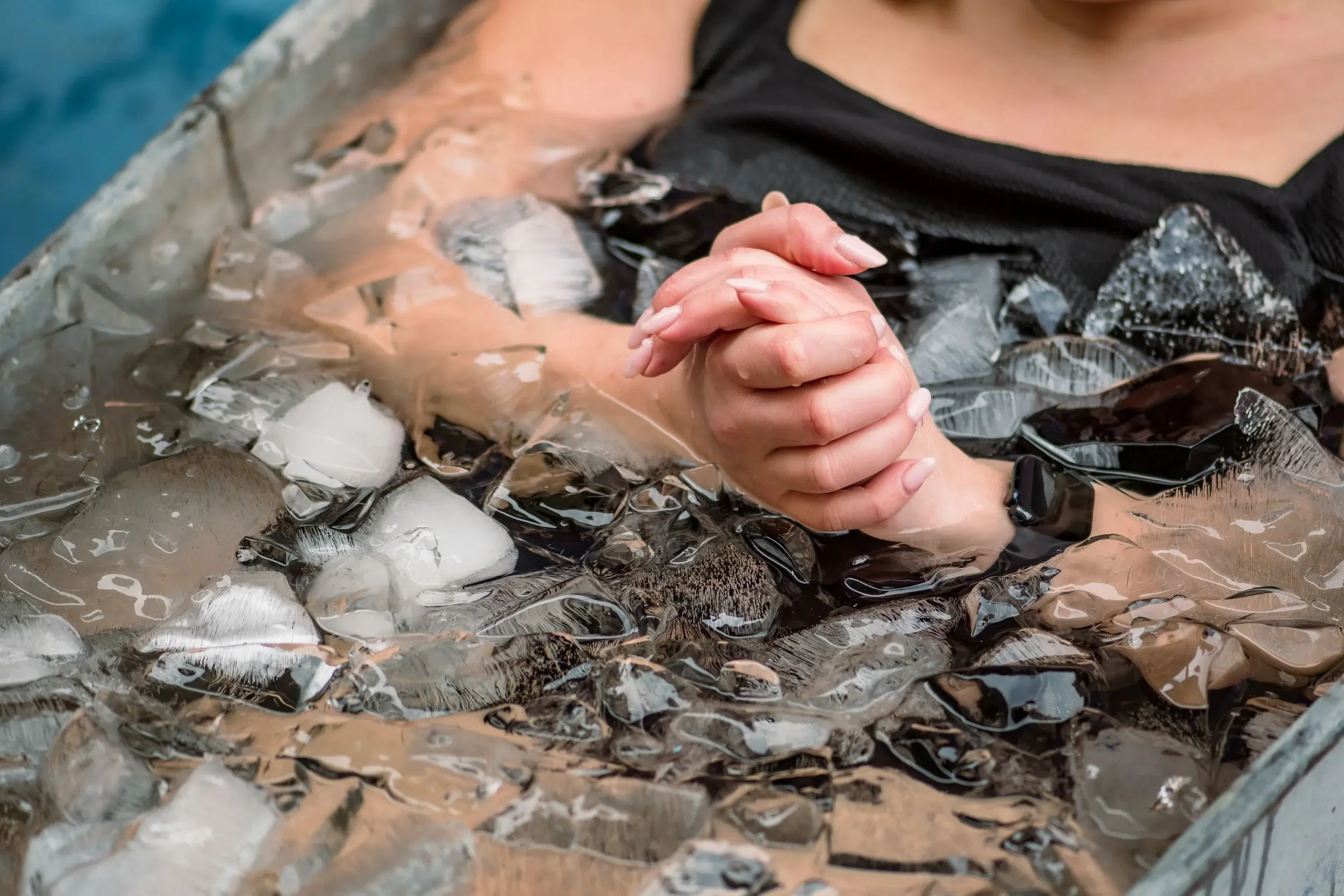
Cold based recovery therapies have become increasingly popular as more people look for ways to improve recovery, circulation, and overall wellness. Sole Wellness offers structured recovery experiences that allow guests to explore cold exposure in a guided, comfortable setting. Understanding the differences between cold plunges, contrast therapy, and cryotherapy helps guests choose the option that best fits their goals, tolerance, and access preferences.
Each method uses cold in a different way, with distinct temperatures, exposure times, and physical sensations. While they are often grouped together, they create very different experiences and outcomes.
What Cold Plunge Therapy Involves
Cold plunge therapy involves full or partial immersion in cold water for a short period of time. Water temperatures typically range from 8 to 12 degrees Celsius, with exposure lasting anywhere from 30 seconds to a few minutes depending on experience and comfort level.
Cold immersion triggers an immediate constriction of blood vessels, followed by increased circulation once the body begins to warm again. Many people describe the sensation as intense at first, followed by a calming effect once breathing stabilizes. Cold plunges are commonly used to support recovery, manage inflammation response, and improve mental resilience.
Because the body is submerged, cold plunges tend to feel more immersive and physically demanding than other cold therapies.
How Contrast Therapy Works
Contrast therapy alternates between hot and cold exposure, often moving between a sauna and a cold plunge. Time intervals vary, but a common approach is several minutes of heat followed by a brief cold immersion, repeated over multiple rounds.
This method creates a pump effect on circulation as blood vessels expand in heat and constrict in cold. The experience feels more gradual and rhythmic compared to a cold plunge alone, making it more approachable for many guests.
At Sole Wellness, contrast therapy is offered as part of a nordic circuit experience, which combines temperature variation with structured guidance.
Understanding Cryotherapy
Cryotherapy uses extremely cold air instead of water, typically in a chamber that exposes the body to temperatures as low as minus 110 degrees Celsius for two to three minutes. The cold is dry rather than wet, and the exposure time is much shorter.
Whole body cryotherapy stimulates a rapid surface level cooling response without full immersion. Many people report a sharp but brief sensation, followed by a feeling of alertness once the session ends.
Cryotherapy requires specialized equipment and facilities, which can limit availability and make it less accessible for frequent use compared to water based therapies.
Comparing Sensation and Physical Experience
Each method creates a very different sensory experience.
Cold plunges feel intense and immersive, with the cold penetrating deeply due to water contact. Contrast therapy feels progressive and balanced, as heat offsets the cold and allows the body to reset between rounds. Cryotherapy feels sharp and fast, with a strong initial impact but minimal lingering exposure.
Personal preference, cold tolerance, and experience level play a major role in determining which option feels most sustainable.
Accessibility and Ease of Use
Accessibility often determines how consistently someone can use a recovery method. Cold plunges and contrast therapy can be incorporated into guided wellness environments, while cryotherapy depends on specialized chambers and scheduling.
For many guests, a guided wellness experience that includes education and supervision makes cold exposure feel safer and more approachable. Water based methods also allow guests to control duration and intensity more easily over time.
Matching Each Method to Different Goals
Each therapy suits different goals and preferences.
Cold plunges are often chosen for recovery focused routines and those who enjoy a direct, immersive challenge. Contrast therapy suits guests looking for circulation support, relaxation, and a balanced approach to heat and cold. Cryotherapy appeals to those seeking short sessions with minimal time commitment and no water immersion.
Choosing the right method depends on comfort level, accessibility, and how the experience fits into a regular routine.
Choosing the Right Recovery Experience
Cold plunge therapy, contrast therapy, and cryotherapy all use cold exposure in different ways, creating unique sensations and outcomes. Understanding how each method works helps guests make informed decisions based on their goals and preferences. Those interested in exploring guided cold exposure and recovery options can book a session to experience a structured approach to cold and contrast therapy in a supportive environment.
