
Who Should and Shouldn’t Do Cold Plunges or Saunas: Safety Guide for Guests
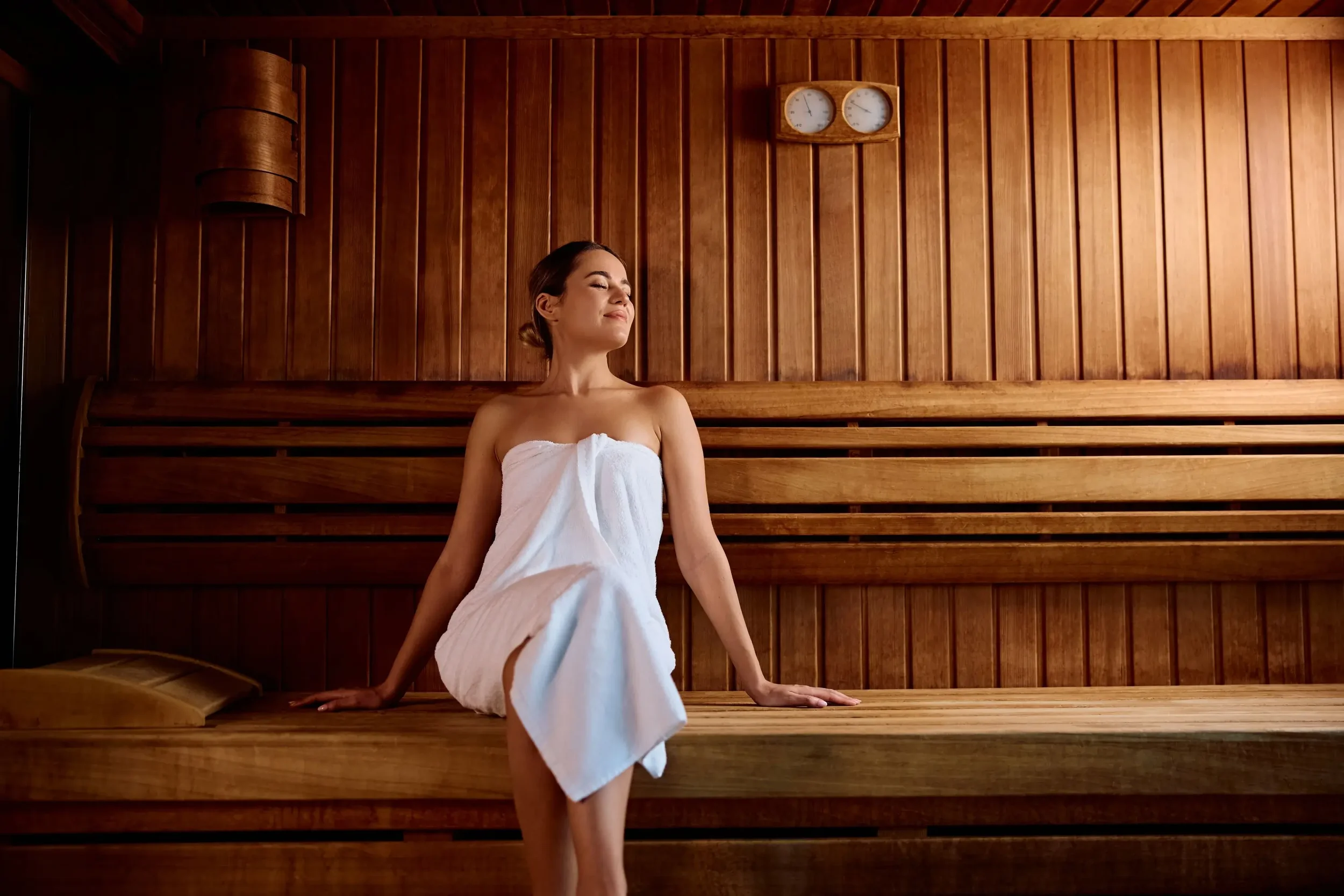
Cold plunges and saunas play a major role in modern wellness because they help support circulation, recovery and mental clarity when used in a controlled and intentional way. These practices place the body under temperature-based stress, and while many people experience positive effects, it is important to understand how the body reacts to heat and cold before starting. Sole Nordic Wellness offers a setting designed for safe and relaxed sessions so guests can explore these routines with confidence.
Understanding the body’s limits and responses is the foundation of safe contrast therapy. With the right approach, these practices become supportive rather than overwhelming.
Why Safety Matters for Heat and Cold Exposure
Heat and cold each create unique physiological responses. A sauna gradually warms the body, increasing heart rate and expanding blood vessels. This widening of the vessels, called vasodilation, allows more blood to move through the muscles and skin, which can help release physical tension while supporting circulation. Cold exposure does the opposite. It creates vasoconstriction, a narrowing of the vessels that directs blood back toward the core to protect vital organs. This sharp shift in temperature stimulates the nervous system, raises alertness and encourages the body to recover from physical strain.
Because these reactions influence cardiovascular activity, nervous system balance and circulation, safety becomes a key part of the experience. The goal is not to push the body to extremes but to work within a range that feels controlled and sustainable.
Who Benefits Most from Cold Plunges and Saunas
Some guests find that heat and cold exposure fit naturally into their wellness routines. People who enjoy structured recovery practices often notice improved circulation, clearer breathing and a sense of calm after pairing heat, cold and rest. Athletes may find these methods helpful after intense activity because the temperature contrast encourages fresh blood flow to tired muscles. Guests who use wellness as a way to manage daily stress also tend to respond well, since both heat and cold can influence endorphin release and promote mental clarity.
These benefits come from steady use rather than intensity. When heat and cold exposure are approached with patience, the body adapts and develops a stronger sense of balance.
Who Should Use Caution
Not everyone responds to temperature changes in the same way. Some guests may choose to participate but keep their sessions shorter or transition more slowly. People who occasionally feel lightheaded, who know they have low heat tolerance or who are sensitive to rapid nervous system stimulation may benefit from a more gradual introduction. For these guests, comfort takes priority over duration. Shorter exposures provide the same general benefits without overwhelming the body.
Guests who take a mindful approach, stay hydrated and track how they feel during each stage usually find that their tolerance improves naturally over time.
Who Should Avoid Cold Plunges and Saunas
There are situations where avoiding heat or cold exposure is the safer choice. Guests who have cardiovascular conditions, uncontrolled high blood pressure, significant circulation issues or heat intolerance should not use these practices without medical approval. Pregnancy is another time when temperature stress should be avoided. Those recovering from a recent illness or injury also benefit from waiting until their body is stable again.
This guidance is based on general wellness principles rather than medical instruction. Anyone who has concerns about how their body might respond should speak with a healthcare professional before participating.
Recommended Time Limits and Exposure Levels
The most important rule for both heat and cold exposure is to listen to the body and respect its limits. Cold plunges are typically kept short because the shock of cold water works quickly. A brief immersion is usually enough to activate circulation and stimulate the nervous system without pushing too far. Sauna sessions work differently. Heat builds steadily, so slow pacing and controlled breathing are key. The goal is to remain warm and relaxed, not uncomfortable or overheated.
Hydration plays a major role in comfort, especially during sauna use. Drinking water before and after each session helps the body regulate temperature and maintain circulation. Guests who breathe steadily and monitor how their chest and head feel tend to remain comfortable throughout the entire cycle.
Hydration, Breathing and Recovery Tips
Transitioning between heat and cold becomes easier when the body has support. Drinking water before starting prevents dizziness and stabilizes heart rate. Slow breathing helps the nervous system stay calm during both warming and cooling. Allowing the body to rest between phases gives the cardiovascular system time to settle before moving forward. These simple habits turn the experience into a smooth, grounded routine rather than something rushed or intense.
Safety Practices at Sole Nordic Wellness
Sole Nordic Wellness is designed to help guests enjoy saunas and cold plunges safely. The space encourages calm transitions, comfortable pacing and thoughtful recovery. Staff help create an environment where guests feel supported and can take as much time as they need. Guests who want a full overview of the space and the flow of heat, cold and rest can review the experience on the Sole Nordic Wellness website.
When Guests Should Ask for Guidance
Anyone who is unsure whether cold plunges or saunas suit their wellness needs can contact the team for direction before starting. Asking questions ensures that every guest begins with confidence and uses these practices in a safe and comfortable way.