
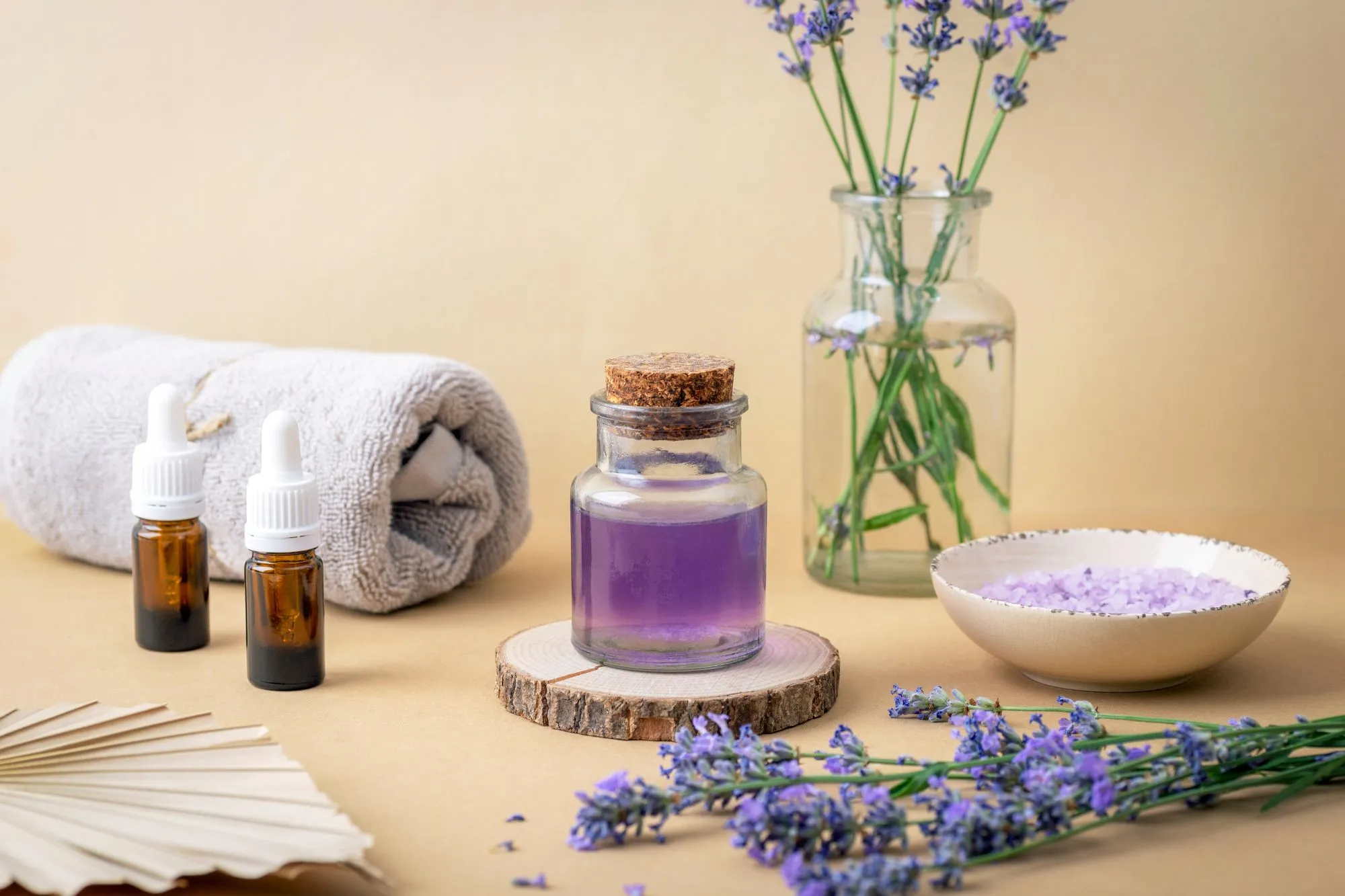
Aromatherapy and standard massage oils affect a treatment in different ways. Standard massage oil supports the therapist’s hands-on work, while aromatherapy adds an intentional scent that may influence mood and perceived relaxation. The addition of essential oils does not automatically improve muscle recovery or other physical outcomes. At Søle Nordic Wellness, the appropriate choice depends on the treatment goal, scent preference, and individual sensitivity.
What Massage Oils Do In A Standard Treatment
Standard massage oil controls friction between the therapist’s hands and the skin. It supports the selected pressure and technique, while the massage itself produces most of the physical and relaxation-related effects.
Lubrication And Skin Protection
Massage oil allows the therapist to perform long strokes, kneading, and targeted movements without repeatedly pulling the skin. Too little oil creates drag, while too much can reduce the grip needed for precise muscle work.
Carrier oils may also soften the skin and reduce temporary dryness. However, these surface effects do not treat underlying skin conditions. The product must still be appropriate for acne-prone areas, reactive skin, and allergies to specific nut-derived, seed-derived, or botanical ingredients.
Neutral Impact On The Nervous System
A fragrance-free massage oil does not add an intentional olfactory stimulus. Relaxation may still result from touch, pressure, warmth, pacing, reduced stimulation, and the treatment environment.
Fragrance-free and unscented do not always mean the same thing. An unscented product may contain ingredients that mask its natural smell, while fragrance-free generally indicates that fragrance was not added. Neither description guarantees that every ingredient will be suitable for sensitive skin.
What Aromatherapy Adds Beyond Massage Oils
Aromatherapy massage typically combines a carrier oil with a properly diluted essential oil or prepared aromatic blend. The carrier provides glide, while the aromatic ingredients change the sensory experience through inhalation and skin contact.
Olfactory Pathways And Emotional Response
Inhaled aromatic compounds activate scent receptors that communicate with brain regions involved in memory, emotion, and attention. This provides a plausible explanation for why scent may influence how calm, alert, or comfortable someone feels.
That pathway does not prove that an aroma will produce a specific therapeutic result. Personal associations, expectations, scent preference, concentration, and the surrounding environment all affect the response. A fragrance that feels comforting to one person may be distracting or unpleasant to another.
Targeted Effects Based On Essential Oil Profiles
Essential oils are commonly grouped by their intended sensory profile. Lavender-based blends are often chosen to create a calm atmosphere, while citrus or mint profiles may feel brighter or more stimulating. These descriptions are selection conventions rather than standardized clinical categories.
Essential oils applied during massage also contact the skin. Although their components may be absorbed to varying degrees, reliable systemic benefits or improved muscle recovery from topical absorption have not been established. The massage technique remains the main driver of pressure-based and musculoskeletal outcomes.
Increasing the essential-oil concentration does not reliably increase the benefit. Stronger concentrations may instead increase skin irritation, scent intolerance, or respiratory discomfort. Professional formulations therefore use controlled dilution based on the ingredients and intended application.
Key Differences In Outcome And Experience
The practical difference is whether the recipient wants massage alone or massage combined with an intentional scent experience.
| Comparison point | Standard massage oil | Aromatherapy |
|---|---|---|
| Primary function | Controls friction and supports massage technique | Provides glide while adding diluted aromatic ingredients |
| Main sensory input | Touch, pressure, warmth, and movement | Touch combined with a selected scent profile |
| Most defensible added effect | Supports skin comfort and consistent manual work | May influence perceived calm, alertness, or emotional comfort |
| Muscle recovery | Depends primarily on technique, pressure, and the underlying concern | No consistent evidence of better recovery from the essential oil itself |
| Stress and sleep goals | Relaxation comes from the massage and setting | Scent may strengthen short-term subjective relaxation for some people |
| Sensitivity considerations | Depends on the complete carrier-oil formulation | Includes carrier-oil risks plus possible fragrance and essential-oil reactions |
| Best fit | Physical treatment goals or a low-scent environment | Sensory relaxation when the selected aroma is welcome and appropriate |
Short-term changes in perceived calm are not equivalent to tissue healing, lasting pain reduction, or improved sleep. Those outcomes require separate evaluation rather than being assumed from the presence of essential oils.
When Aromatherapy Makes A Noticeable Difference
Aromatherapy makes the clearest difference when scent helps someone disengage from outside stimulation or feel more immersed in the treatment. This difference is usually subjective and most noticeable during or shortly after the session.
Stress, Anxiety, And Sleep Support
Some studies report short-term improvements in self-reported anxiety or sleep quality following aromatherapy. However, study quality and results vary, so the evidence does not support guaranteed or lasting outcomes.
Aromatherapy is also difficult to evaluate separately when it is combined with massage, quiet surroundings, warmth, breathing, and music. Any perceived benefit may come from the essential oil, the wider treatment environment, personal expectations, or a combination of these factors.
Feeling sleepy or deeply relaxed during a massage does not necessarily improve sleep duration or prevent waking later. Aromatherapy may support a bedtime routine, but it does not treat an anxiety disorder, persistent insomnia, or another medical condition.
Enhancing Relaxation During Massage
Aromatherapy is worth considering when a chosen scent makes it easier to settle into the massage. It can add sensory depth to a gentle or relaxation-focused treatment without requiring deeper pressure.
More scent is not inherently more relaxing. A mild aroma may support the experience, while a concentrated or disliked fragrance can become distracting. The benefit depends on compatibility with the recipient, not scent intensity alone.
When It Does Not Add Meaningful Value
Aromatherapy provides limited additional value when scent does not support the treatment goal or introduces avoidable discomfort. In those circumstances, a straightforward massage product keeps the session focused on touch and technique.
Purely Physical Muscle Treatment Goals
For localized tightness, restricted movement, or post-activity discomfort, therapist selection, pressure, and technique matter more than fragrance. Essential oils do not make a therapeutic massage deeper or more precise.
Aromatherapy can still be included for personal enjoyment if it is available and well tolerated. However, it should not be selected with the expectation that it will improve tissue healing, accelerate recovery, or correct the underlying cause of pain.
Sensitivity Or Aversion To Scent
Essential oils and fragrance ingredients can cause skin irritation, allergic reactions, headache, nausea, coughing, or respiratory discomfort. Inhaled fragrance may trigger symptoms even when the skin does not react.
Anyone with reactive skin, fragrance-triggered migraines, respiratory sensitivity, or a previous essential-oil reaction should disclose this before treatment. The complete ingredient list matters because both the aromatic blend and its carrier can cause a reaction. When suitability is uncertain, a fragrance-free product is the more cautious option.
Precautions depend on the specific oil, concentration, and exposure method. For example, certain expressed citrus oils may increase sensitivity to sunlight when applied topically. Pregnancy, medication use, or a health condition is not a universal prohibition, but it may affect which ingredients are appropriate. These factors should be discussed before product selection.
Choosing Between Aromatherapy And Standard Massage At A Nordic Spa
At Søle Nordic Wellness, the Nordic massage options include treatments with different physical and sensory priorities. Swedish massage emphasizes gentle, rhythmic relaxation, while therapeutic massage focuses more directly on persistent tension and muscular discomfort.
The Søve Pro Sleep Massage specifically includes Tranquillity essential oils alongside soft brushes, calming manual techniques, and a soundscape. Its sensory components are intended to work together, so the experience should not be attributed to the essential oils alone. Aromatherapy availability with other massage options should be confirmed rather than assumed.
Guests should also disclose scent sensitivities, skin reactions, respiratory triggers, pregnancy, and other relevant considerations before an aromatic product is used. Søle Nordic Wellness can then match the booking to the desired pressure, sensory experience, and product requirements.