
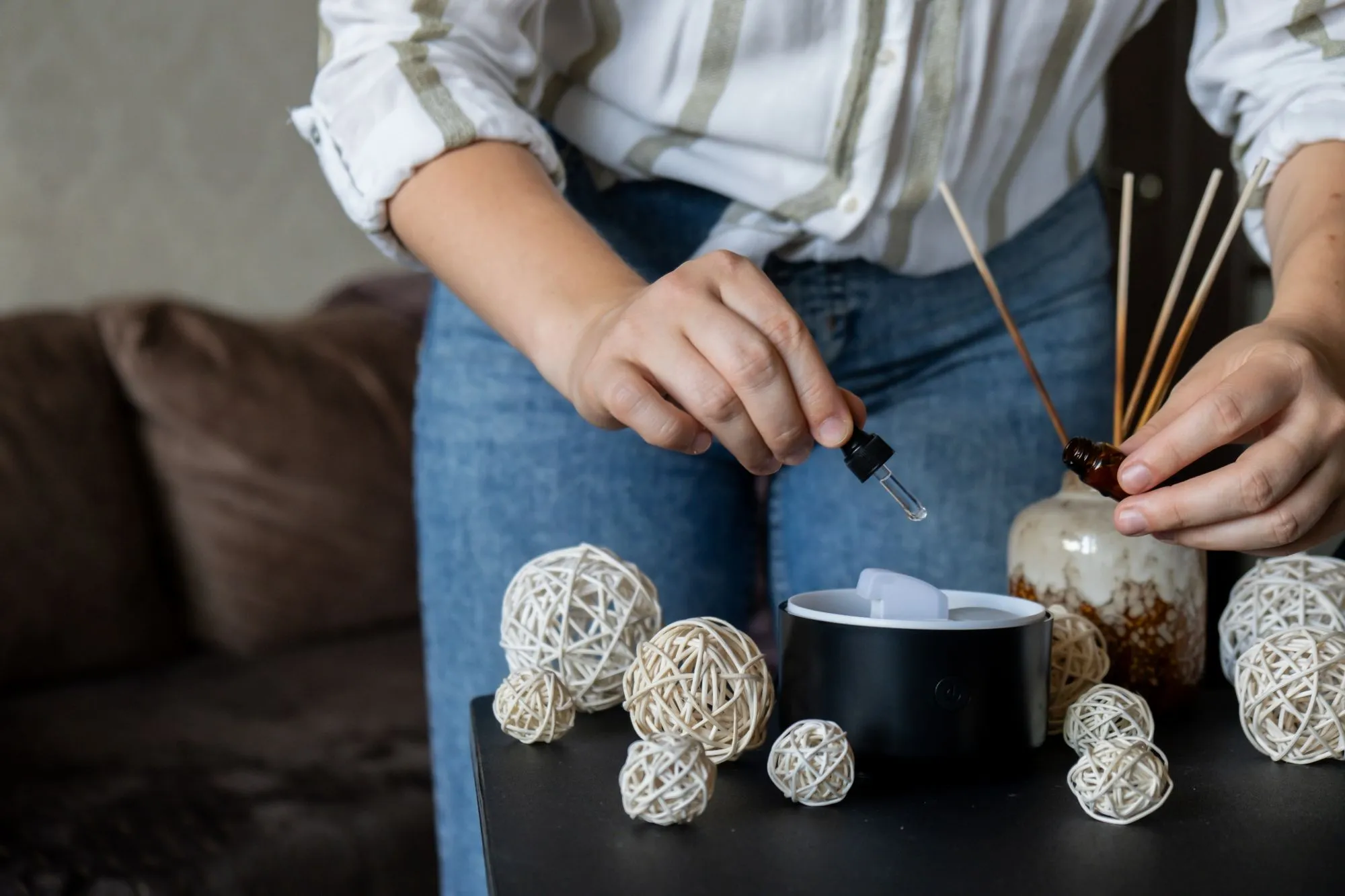
Choosing aromatherapy for relaxation, sleep preparation, or a more refreshed feeling starts with deciding what you want from the treatment experience. These categories describe the sensory direction of the treatment rather than guaranteed physical or psychological effects. At Søle Nordic Wellness Spa, aromatherapy can be approached as one element that complements the broader massage or spa experience.
Start With How You Want To Feel After Your Treatment
Begin with the experience you want after the treatment rather than choosing an aroma only because you recognize or usually enjoy it. Someone who wants to decompress after a demanding day may prefer a different scent profile from someone booking earlier in the day who wants the treatment to feel lighter and more refreshing.
The useful decision is whether you want the session to feel calming, restful before sleep, or more invigorating. These are subjective sensory goals, so they help narrow the direction without implying that a particular aroma will create the same response for everyone.
Aromatherapy For Relaxation And Decompression
Relaxation-focused aromatherapy is generally suited to treatments where you want the sensory environment to feel quieter and less stimulating. The aroma should support a slower, calmer experience without becoming the dominant feature of the session.
This direction can make sense when the goal is simply to decompress rather than prepare for sleep. A person may want a relaxing treatment in the middle of the day without wanting the experience to feel especially sleep-oriented.
Choosing Softer, Calming Aromas
Floral, herbal, woody, and earthy scent profiles are commonly associated with softer or calmer sensory experiences, although individual responses vary. The most useful choice is an aroma that feels pleasant and unobtrusive rather than one selected only because it is traditionally described as relaxing.
Intensity matters as much as scent type. A fragrance that feels suitable in character can still become distracting if it is too strong, so a lighter aroma may fit better when massage or quiet rest is intended to remain the main focus.
When Relaxation Is The Main Treatment Goal
Relaxation-focused aromatherapy is most appropriate when you want the session to feel unhurried and restorative without specifically using it as part of a bedtime routine. This can suit massage experiences where the emphasis is on steady pacing, comfortable pressure, and a calm treatment environment.
The aroma should reinforce that experience rather than control it. If the scent becomes the part of the treatment you notice most, choosing a lighter option or a different aroma may create a better fit.
Aromatherapy When You Want To Wind Down For Sleep
Aromatherapy used before sleep should be approached as a way to create a quieter evening experience, not as a treatment for insomnia or a guarantee that you will fall asleep more easily. The goal is to choose a sensory direction that fits naturally with slowing down at the end of the day.
A sleep-oriented treatment may combine aroma with other calming elements such as massage, reduced stimulation, sound, and a quieter treatment pace. The aroma is one part of that overall experience rather than the sole reason the session feels restful.
Choosing A More Restful Aromatherapy Experience
A more restful aromatherapy direction usually favours scents that feel soft, familiar, and comfortable to you. Floral, herbal, or grounding aromas are often chosen for this type of experience because they generally create a quieter sensory impression than sharper or more stimulating profiles.
The aroma should fade into the background of the treatment rather than demand attention. If it feels overpowering or distracting, a subtler scent or an unscented option is more consistent with the goal of winding down.
Why Treatment Timing Matters
Treatment timing matters because the sensory experience you want may change depending on what comes afterwards. An evening appointment may pair naturally with a quieter aroma when your next step is going home, reducing stimulation, and settling into the rest of the night.
Earlier in the day, you may prefer a brighter treatment atmosphere if you plan to remain active afterwards. This is a preference about how the session should feel, not a claim that particular aromas reliably cause sleepiness or alertness.
Aromatherapy For A Refreshed And Focused Feeling
Aromatherapy can also be chosen when you want the treatment to feel brighter and less sleep-oriented. In this context, feeling refreshed refers to the character of the sensory experience rather than a claim that essential oils restore energy, reduce fatigue, or improve cognitive performance.
This direction can suit someone who wants physical relaxation without creating the feeling that the day is winding down. The aroma should support a lighter, more alert treatment atmosphere while remaining comfortable enough to avoid becoming distracting.
Choosing Brighter, More Invigorating Aromas
Citrus, mint, eucalyptus, and other crisp scent profiles are commonly associated with brighter or more invigorating sensory experiences, although individual preferences differ. They may suit someone who wants the session to feel fresh rather than especially quiet or sleep-oriented.
A stronger fragrance is not necessarily a better choice. A moderate aroma can create a brighter sensory character without overpowering the treatment or becoming uncomfortable over time.
When An Energizing Experience May Fit Better
A more invigorating aroma may fit someone who enjoys the physical relaxation of massage but prefers a fresher overall sensory environment. This can be especially relevant when the goal is to leave the treatment feeling less settled into an evening or bedtime routine.
The deciding factor should be the type of atmosphere you want during and immediately after the session. Someone seeking a brighter experience may prefer a crisp scent profile, while someone prioritizing deep decompression may find a softer direction more appropriate.
When Personal Preference Matters More Than The Intended Effect
Personal preference should take priority when the scent commonly associated with your goal is unpleasant to you. Aromatherapy depends on how you experience the aroma, so choosing something you dislike simply because it is traditionally described as relaxing or invigorating can work against the purpose of including scent.
Scent associations also vary between individuals. A fragrance that one person finds comforting may remind another person of cleaning products, medicine, work, or another setting that makes it distracting.
When several aromas feel equally comfortable, the intended treatment experience can become the deciding factor. If one option feels more calming, restful, or refreshing to you, that personal response is more useful than choosing according to a general scent category alone.
When To Choose Unscented Treatment Instead
Unscented treatment is a better choice when added fragrance or essential oils would make the session less comfortable. This is particularly relevant for guests with known fragrance sensitivities, previous reactions to essential oils, or medical guidance to avoid certain aromatic or topical ingredients.
In this context, unscented should mean avoiding added aromatherapy rather than assuming every product used during the treatment contains no fragrance. Guests who need a fully fragrance-free experience should clarify that requirement before the session so the products being used can be discussed.
Choosing an unscented treatment does not remove the main elements of the massage or spa experience. Pressure, treatment pace, touch, temperature, sound, and the surrounding environment can remain the primary sensory components without added aromatherapy.
Choosing Aromatherapy At Søle Nordic Wellness Spa
Choosing aromatherapy at Søle Nordic Wellness Spa should begin with a simple description of the experience you want from the treatment. Let the practitioner know whether you are looking for a calmer, more restful, or more refreshing sensory direction, then mention any scents you particularly enjoy or prefer to avoid.
Guests with fragrance sensitivities, previous reactions, or a preference for no added aromatherapy should also communicate that before treatment. This gives Søle Nordic Wellness Spa the information needed to align the scent choice, or an unscented option, with the type of treatment experience you actually want.